Memorializing and Apologizing: An LDS Approach
Root Out Racism by Saying Sorry

Memorial Day
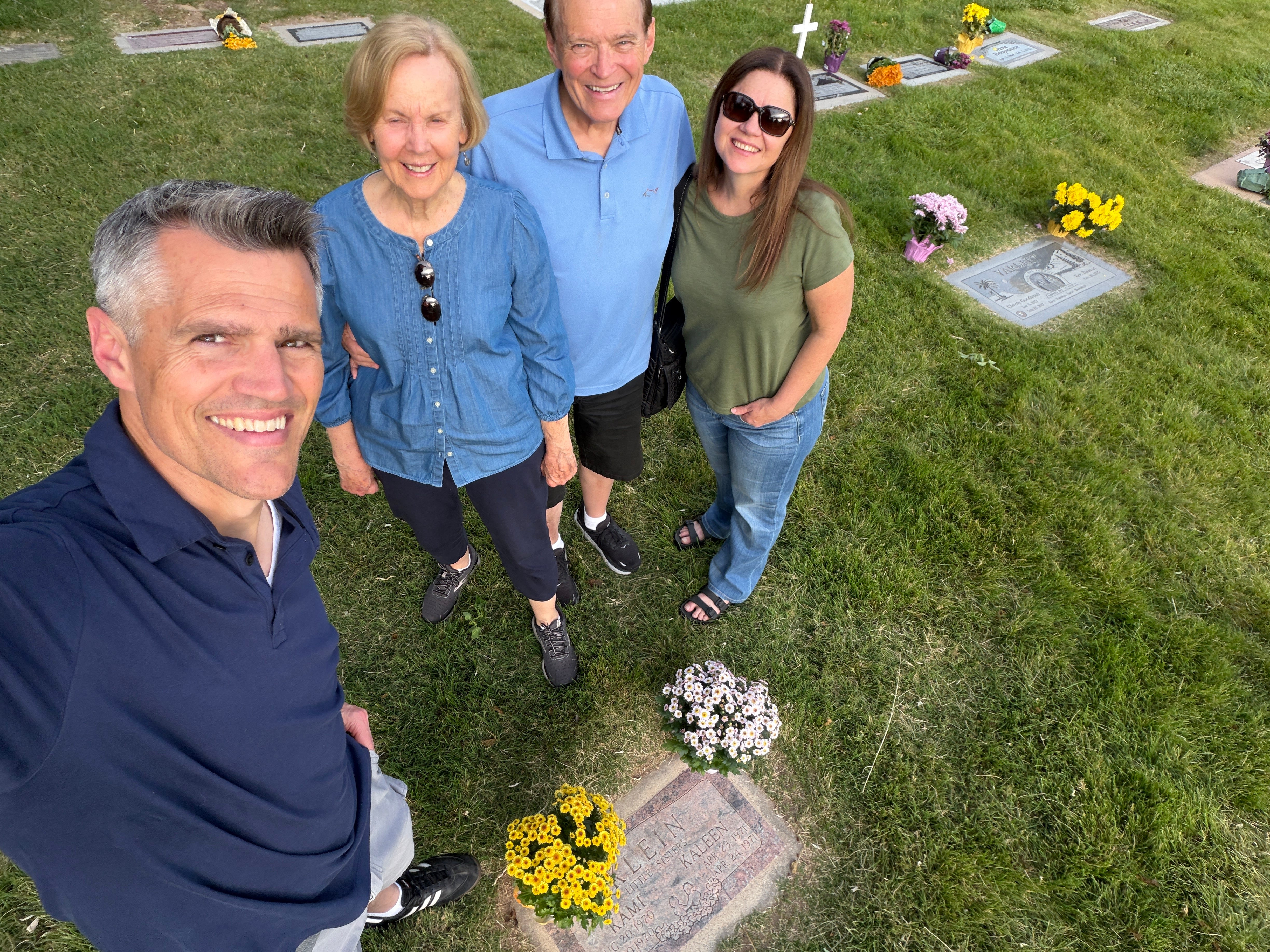
Yesterday my parents and Leah and I made our traditional Memorial Day visit to the graves of my grandparents, whom I have lots of precious memories of, and my two older sisters Kami and Kaleen, who died at birth.
Interesting that you can memorialize people you have no memories of. I suppose it’s honoring a connection that I believe will allow us to create memories hereafter - or better, to enjoy each other’s continual presence.
Australian Sorry Day
Just as we can memorialize people we have no memories of, I believe I can apologize to people whose suffering I didn’t personally or intentionally cause. I bring this up because today, May 26th, is Sorry Day in Australia. Long story short, it began in 1998 as a way for everyday Australians to express grief and extend compassion to Aboriginal Australians who suffered the 60-year government policy forcibly removing racially mixed Aboriginal children from their families - the “Stolen Generations.”
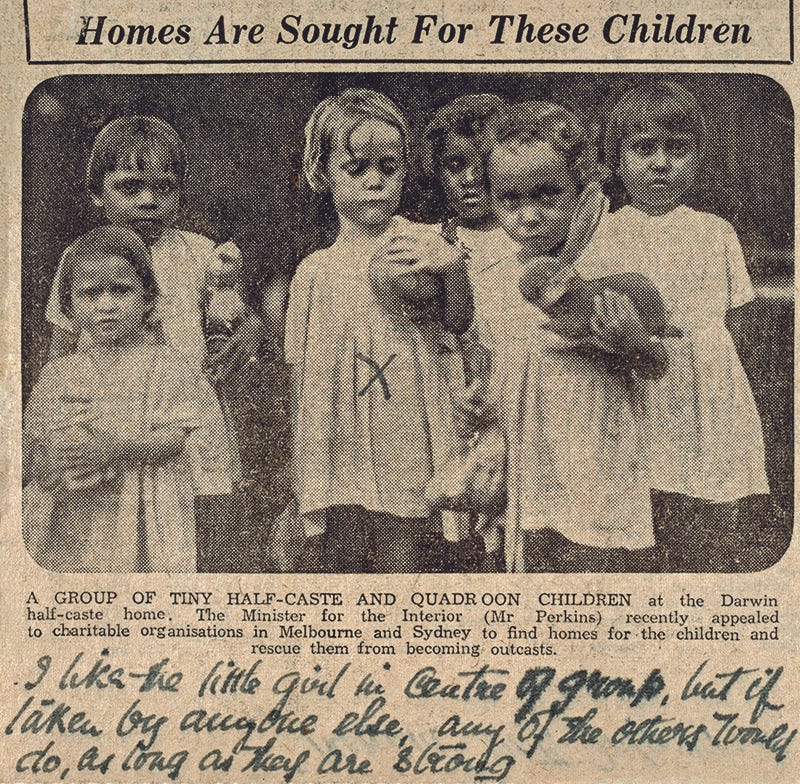
Throughout the early 2000s, the Australian Government acknowledged but refused to apologize for the policy, so participating in grassroots Sorry Day events gave Australians a chance to do something - to memorialize, to honor through apology - their traumatized neighbors and family. Sorry Day helped set the stage for PM Kevin Rudd’s eventual official government apology in 2008, a transcendently beautiful human moment the video of which I can’t watch without blinking back tears.
Pope Leo’s Apology for Slavery
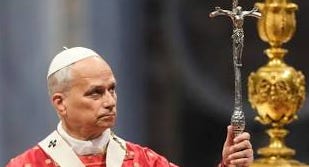
Christians believe that Jesus overcame sin and death. Through Him, my grandparents and I will be reunited, my sisters and I will be united, and even those of us who suffer our own and others’ ignorance, prejudice, and hatred can be reconciled. Pope Leo’s very recent direct apology for the Catholic Church’s participation in the slave trade is evidence of the Christian spirit of reconciliation at work.
Root Out Racism by Saying Sorry for the LDS Racial Temple/Priesthood Restriction
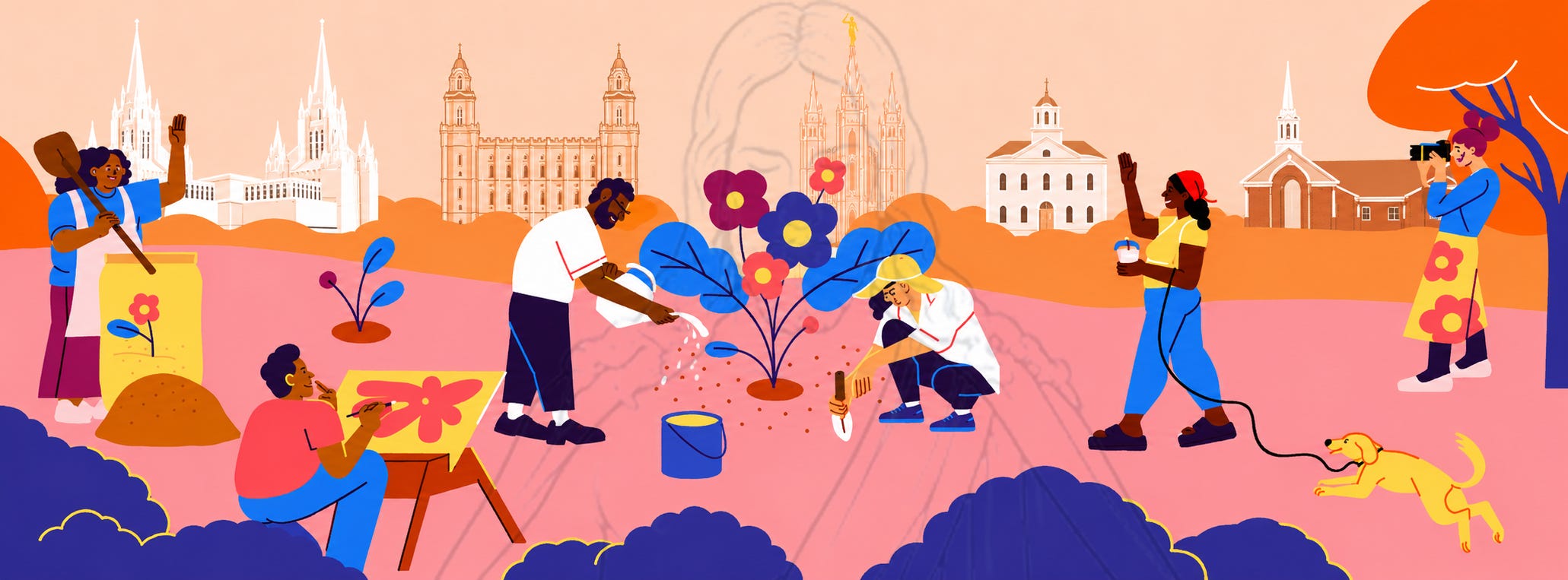
As a member of the Church of Jesus Christ of Latter-day Saints, I feel called by our ongoing prophetic admonition to “lead out in abandoning attitudes and actions of prejudice” and “root out racism.” The institutional Church has not yet and may never officially apologize for preventing people of Black ancestry from full gospel participation from 1852-1978, but as with common Australian citizens and Sorry Day, that doesn’t mean I can’t apologize for it as a member of the Church while still sustaining the institutional Church. Indeed, for me it’s one important way of how I sustain the institutional Church.
I’ve created the Facebook group Root Out Racism by Saying Sorry for people to share, listen to, and apologize for people’s experiences with past and present racism in Church policy and culture--all in the spirit of reconciliation. If you feel your participation will help share some Christlike goodwill and healing, please join in.
Love this! Might cause some healing and other people to say sorry for their mistakes!
Kevin, I love this idea. In response to someone's pain, "I didn't cause that!" may be strictly accurate, but it sounds a lot like a little kid trying to make sure someone else gets blamed, and it's miles away from mourning with those who mourn. Being able to say I'm sorry is an important way to say I see you and I'm interested in your well-being. This effort seems like it can be an important element in the work of cultural repentance we can engage in.